Navigating Connecticut probate court districts.
If you are navigating probate for the first time, one of the earliest questions you will face is a simple one: which court handles the case? In Connecticut, the answer depends on where your loved one lived. This guide explains how probate court districts work, which court serves New Haven families, and what to expect when you walk through the doors.
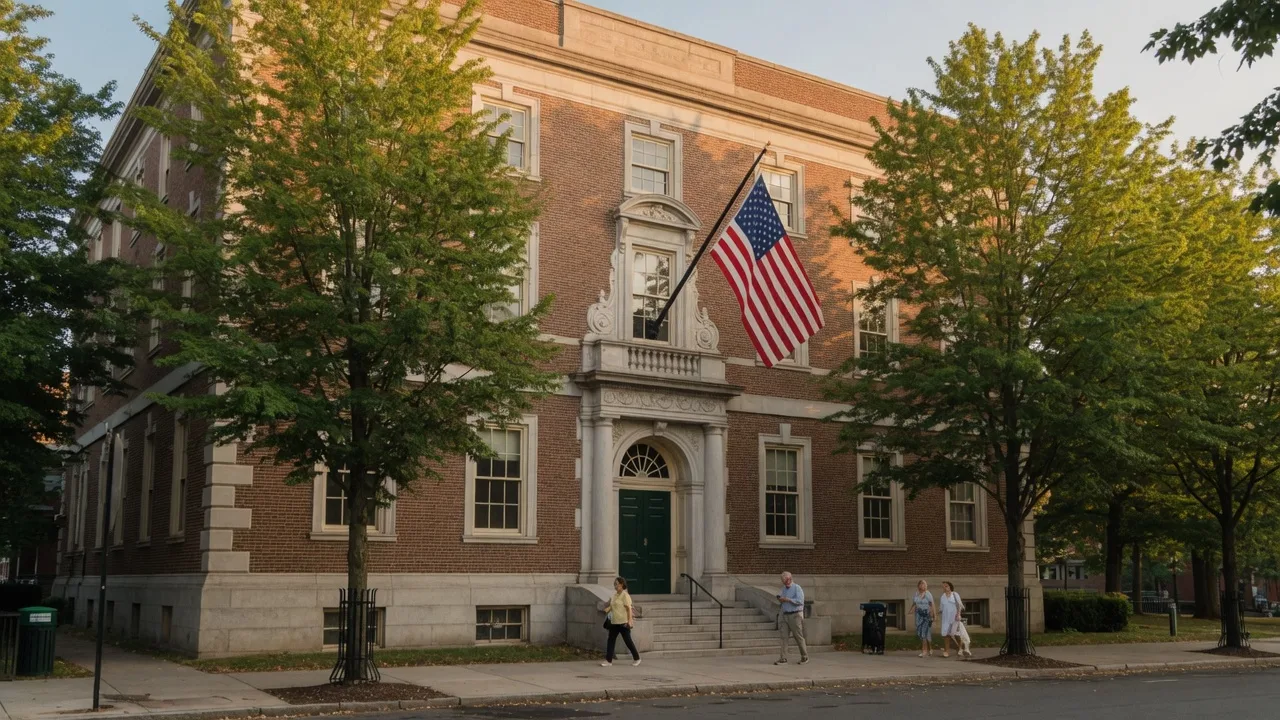
How probate districts work in Connecticut.
Connecticut is divided into probate districts, each with its own probate court that handles matters within its geographic boundaries. Unlike the larger Superior Court system, probate courts in Connecticut are local courts of limited jurisdiction -- they deal specifically with estates, trusts, conservatorships, guardianships, and other matters outlined by state law.
There are 54 probate districts across the state, ranging from single-town districts to regional districts that serve several towns. This localized structure means that the probate process can feel more personal than other court experiences. The judges and staff in each district know their communities, and many families find the atmosphere more approachable than they expected.
Which district applies to you? In most cases, the correct probate district is the one where the deceased person resided at the time of their passing. If they lived in New Haven, the New Haven Probate Court (district PD-38) handles the matter. If they lived in a nearby town, the district for that town applies instead. A quick call to the probate court administrator's office can confirm which district covers your specific town.
The New Haven Probate Court.
The New Haven Probate Court serves the City of New Haven and is located at 200 Orange Street, 1st Floor, in the heart of downtown. The court is open Monday through Friday from 9:00 AM to 5:00 PM. The current judge is the Honorable Americo R. Carchia, and the chief clerk is Patrizia Clark. If you need to reach the court, the phone number is (203) 946-4880.
Parking is available at several nearby garages and metered street spots. The court is also accessible via public transit, with several CT Transit bus routes stopping within a few blocks. If you are visiting for the first time, arriving a little early gives you time to find parking and locate the right floor and room without rushing.
The court handles a wide range of matters, including:
- Decedents' estates -- admitting wills to probate, appointing executors, and overseeing the administration of estates
- Fiduciary appointments and accountings -- approving executors, administrators, and trustees, and reviewing their financial reports
- Conservatorships and guardianships -- appointing conservators for adults and guardians for minors when needed
- Approval of real estate sales -- authorizing the sale of property owned by the estate when required by law
Address
200 Orange Street, 1st Floor
New Haven, CT 06510
Contact
(203) 946-4880
Mon-Fri, 9:00 AM -- 5:00 PM
Judge
Americo R. Carchia
Presiding Judge
District
PD-38
Serves the City of New Haven
Probate districts for surrounding towns.
If your loved one lived outside New Haven city limits, the probate district will be different. Many surrounding communities have their own probate courts or share a regional district. Here are a few of the nearby districts families in the greater New Haven area may encounter:
Hamden Probate Court
Serves the Town of Hamden, just north of New Haven. Located at Hamden Government Center, 2750 Dixwell Avenue, Hamden, CT 06518.
West Haven Probate Court
Serves the City of West Haven. Located at 355 Main Street, West Haven, CT 06516.
North Haven Probate Court
Serves the Town of North Haven. Located at 18 Church Street, North Haven, CT 06473.
New Haven Regional Children's Probate Court
A specialized probate court handling juvenile matters for the New Haven region. Located at 419 Whalley Avenue, New Haven, CT 06511.
Not sure which district applies? The Connecticut Probate Court Administrator's website has a court locator tool that can help. You can also call the probate court in any nearby town and they will direct you to the correct one. I am always happy to help point families in the right direction as well.
What to expect when you visit probate court.
For many families, the idea of going to court feels intimidating. But probate court is different from what you see on television. The atmosphere is more administrative than adversarial. Here is what a typical first visit looks like:
Filing the initial paperwork
You or your attorney will file the petition for probate (Form PC-200 for a will, or PC-201 for administration without a will) along with the original will, death certificate, and other required documents. The court clerk reviews the paperwork to ensure everything is complete before scheduling a hearing.
The hearing (if required)
Not every probate matter requires a hearing. For straightforward, uncontested estates, the court may approve the executor's appointment without one. If a hearing is needed, it is typically brief and held in the judge's chambers or a small courtroom. The judge will confirm that all heirs have been notified, that the will is valid, and that the executor is prepared to serve.
Receiving Letters Testamentary
Once approved, the court issues Letters Testamentary (or Letters of Administration), which give the executor legal authority to act on behalf of the estate. This is the document you need to access bank accounts, sell property, and manage the estate's affairs. The process from filing to receiving letters typically takes a few weeks in uncomplicated cases.
The probate court staff in New Haven are accustomed to working with families who have never been through this process before. Do not hesitate to ask questions. They can explain the forms, clarify deadlines, and help you understand what comes next.
Watch: Visiting Probate Court
This short video gives a quick overview of what to expect when visiting probate court in Connecticut -- a helpful primer for families preparing for their first visit.
E-filing and modern court procedures.
Connecticut probate courts have adopted electronic filing (e-filing) through the TurboCourt system. For attorneys, e-filing is mandatory. For self-represented individuals, paper filing is still accepted at the court clerk's office. The court provides standard forms, many of which are available for download from the Connecticut Probate Court Administrator's website.
One of the most important things to know is that the probate process runs on deadlines. After the executor is appointed, the court requires:
- Inventory of assets filed within two months of appointment
- Accounting and distribution report filed within one year of appointment (or earlier if the estate closes sooner)
- Court approval for the sale of real estate before the sale can close
These deadlines can feel overwhelming, but they exist to protect everyone involved. The court's oversight ensures that executors fulfill their duties properly and that heirs receive what they are entitled to. Working with a probate attorney and an experienced real estate agent can help keep everything on track.
Working with a probate attorney and a real estate specialist.
You do not have to navigate the probate court system alone. Most families benefit from having an experienced probate attorney guide them through the legal process while a real estate professional who understands probate sales handles the property side. These two roles complement each other beautifully.
A probate attorney files the necessary petitions, communicates with the court, ensures all deadlines are met, and provides legal advice on complex estate matters. They are your advocate in the legal process.
A probate real estate specialist helps with the practical side: valuing the property, preparing it for sale, marketing it to the right buyers, navigating court approvals for the sale, and coordinating with the attorney to ensure all legal requirements are satisfied before closing.
I have built strong relationships with probate attorneys across the New Haven area over the years. When you work with me, I coordinate directly with your legal team so you do not have to worry about the details falling through the cracks.

How I can help your family through this.
As someone with a background in systems engineering, I bring clarity and structure to complex situations. Probate involves many moving parts -- the court, the attorney, the property, the family. I help keep everything organized so you can focus on what matters most.
Whether you are just learning which probate district handles your case or you are ready to talk about selling a family home, I am here to listen and guide you. No pressure, no sales pitch. Just honest, knowledgeable help from someone who has walked this path with many Connecticut families.
The right court is just the first step.
Knowing where to go and what to expect can make the probate process feel far less daunting. If you have questions about your family's situation, I am here to help point you in the right direction.
Get in Touch