Lead paint, asbestos, and oil tanks. Navigating environmental hazards in older Connecticut probate homes.
If your loved one's home was built before 1980, there is a strong chance it contains lead paint, asbestos, or an underground oil tank. For families navigating probate, discovering these issues mid-sale can feel like one more unexpected hurdle. This guide breaks down the rules, the real costs, and the options available so you can move forward with confidence, and with as few surprises as possible.
Why environmental hazards matter for probate sales in Connecticut.
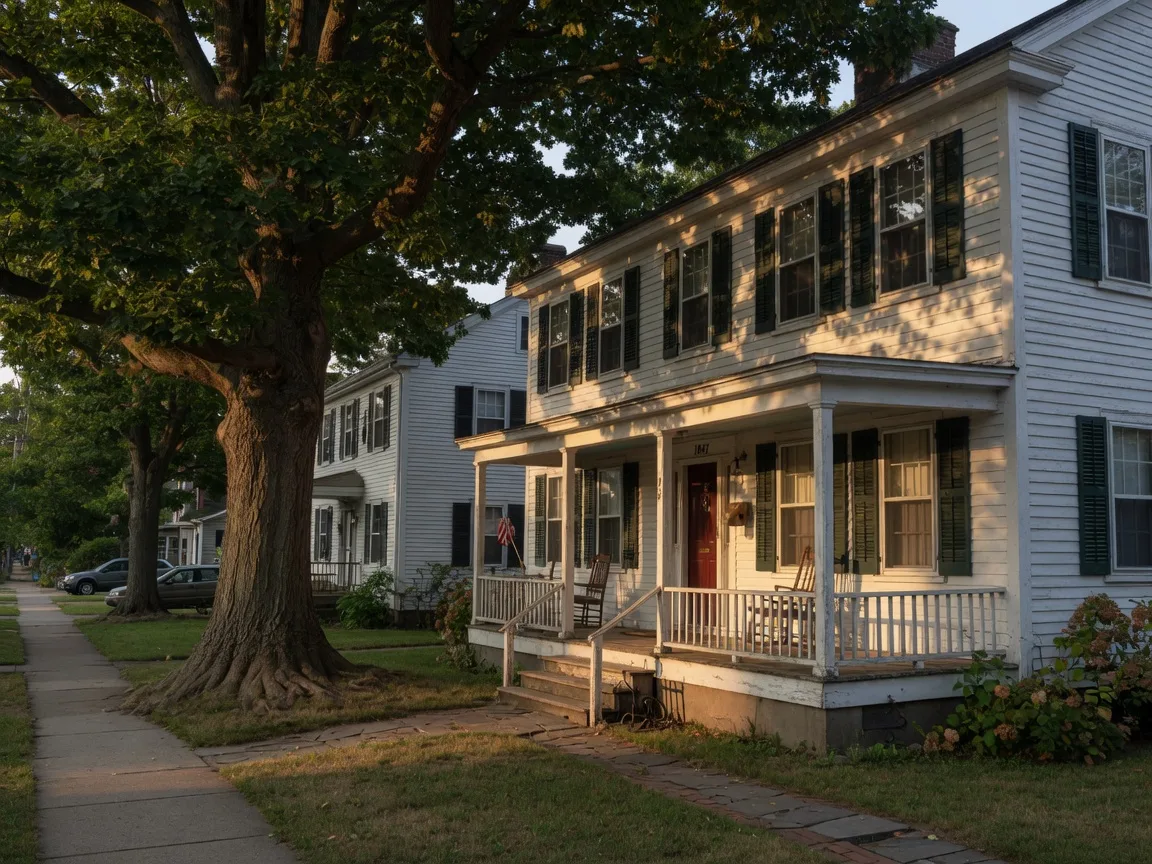
Connecticut has one of the oldest housing stocks in the country. In New Haven County alone, roughly 80 percent of homes were built before 1978, the year the federal government banned lead-based paint in residential use. Many were also built before the health risks of asbestos were well understood. And throughout the state, underground oil tanks were the standard way to heat homes for much of the 20th century.
When you are selling the family home through probate, you may not have lived there recently, and you may not know what hazards the property contains. That knowledge gap creates real questions: Do you have to test? What must you disclose? And what happens if a buyer's inspection finds something?
The good news: In most cases, these issues can be handled without derailing the sale. The key is knowing what your responsibilities are as the estate representative and being transparent with buyers from the start.
Lead paint: what estates must disclose and what to expect.
Under federal law (the Residential Lead-Based Paint Hazard Reduction Act of 1992), sellers of homes built before 1978 must provide buyers with:
- An EPA-approved pamphlet about lead paint hazards
- Any known information about lead paint in the home
- A 10-day period for the buyer to inspect for lead hazards
- A lead disclosure form signed by both parties
What this means for probate sales: The state of Connecticut exempts estate representatives from the state's standard Residential Property Condition Disclosure Statement (CGS Section 20-327b). However, the federal lead paint disclosure requirement is not exempt. You must still provide the federal disclosure even if the executor never lived in the home and has no first-hand knowledge.
What to do: If you are selling a pre-1978 probate home, complete the federal Lead Disclosure form honestly. If you do not know whether lead paint is present, say so and offer buyers the opportunity to test. Most buyers expect this in an older home, and transparency builds trust.
Cost note: Lead paint abatement typically runs between $1,500 and $5,500 for a single-family home, depending on the extent of the hazard. However, most probate sales do not require full abatement before listing. The property can be sold with known lead hazards as long as they are disclosed, though some buyers may negotiate a credit or price reduction.
Asbestos: what it is and when you need to act.
Asbestos is a naturally occurring mineral fiber that was widely used in home construction until the 1980s. It is commonly found in:
- Pipe insulation (wrapped around boiler and steam pipes)
- Vinyl floor tiles (found in basements and kitchens)
- Textured ceilings and ceiling tiles
- Dut wrapping on heating and cooling systems
- Exterior siding (cement board siding on older homes)
Good news: Connecticut law does not require asbestos removal just because a home is being sold. If the asbestos-containing material is in good condition and not being disturbed, it can often stay in place through the sale. Many knowledgeable buyers are comfortable with this as long as it is fully disclosed.
When action is needed: If the material is deteriorating, cmbly (fiable), or will be isturbed during renovations, removal may be necessary. Asbestos abatement costs typically range from $1,200 to $3,300 for indoor work, though larger projects like attic insulation removal can cost more. New Haven offers city grants of up to $7,500 for asbestos insulation removal for income-qualified homeowners, which may apply in some probate situations.
Tip: If you suspect asbestos but are not sure, hire a licensed inspector for an inexpensive test before listing. Having clear information about what is and isn't n the home helps you price accurately and avoid surprises during the buyer' due diligently period.
Underground oil tanks: the biggest wild card in probate sales.
If the home was built before the 1990s and was ever heated with oil, there may be an underground storage tank (UST) in the yard. Some tanks are still in use. Others were abandoned in place when the home switched to gas heat. Either way, an unknown tank can be a major concern for buyers and lenders.
Why it matters: A leaking oil tank can cause serious soil and groundwater contamination. Clean up can cost $5,000 to $45,000 or more. Even a non-leaking tank typically costs $1,200 to $5,000 to remove. Many lenders want a tank removed (or documented as properly closed) before they will approve a mortgage, which can block sales to buyers using conventional financing.
What to do as the estate representative: If you are unsure whether there is a tank, check the basement for signs of an old oil line, ask neighbors who have been in the area a long time, or hire a tank sweep company to survey the property. Some home inspection companies offer tank sweeps as an add-on.
Not knowing is okay. If the estate has no records of a tank and no evidence of one, simply disclose that fact. But if you have reason to believe there was a tank and it was never removed, it is wise to investigate before listing. A discovered tank during the buyer's inspection period can kill a deal that took months to negotiate.
Watch: Common Probate Challenges
Environmental issues are just one of the common challenges families face during probate. This short video offers practical advice for navigating the process with confidence.

I help families navigate the environmental side of probate sales.
I have guided many Connecticut families through probate home sales in older neighborhoods across New Haven, Hamden, North Haven, and the surrounding areas. I know how to coordinate with environmental inspectors, tank companies, and local officials to get clear answers fast. And I help honestly disclose conditions so the sale stays on track.
My approach is patient, transparent, and focused on making a difficult process as smooth as possible. I do not push families into any particular path. Instead, I explain the options and the tradeoffs so you and your family can make the decision that is right for you.
Have an older home you need to sell through probate?
I offer a free, no-obligation consultation to discuss your situation. We will talk through what you know about the property, what you are worried about, and what the next steps could look like. No pressure. No sales pitch. Just honest guidance.