Navigating the summer 2026 New Haven market.
If your family is navigating the probate process and a home needs to be sold, you are likely wondering what kind of market you are walking into. The short answer is encouraging: summer 2026 has brought a seller-friendly market to New Haven, with low inventory, steady price appreciation, and buyer demand that outpaces supply. Here is a clear look at the numbers, what they mean for your probate sale, and how to approach pricing and timing with confidence.
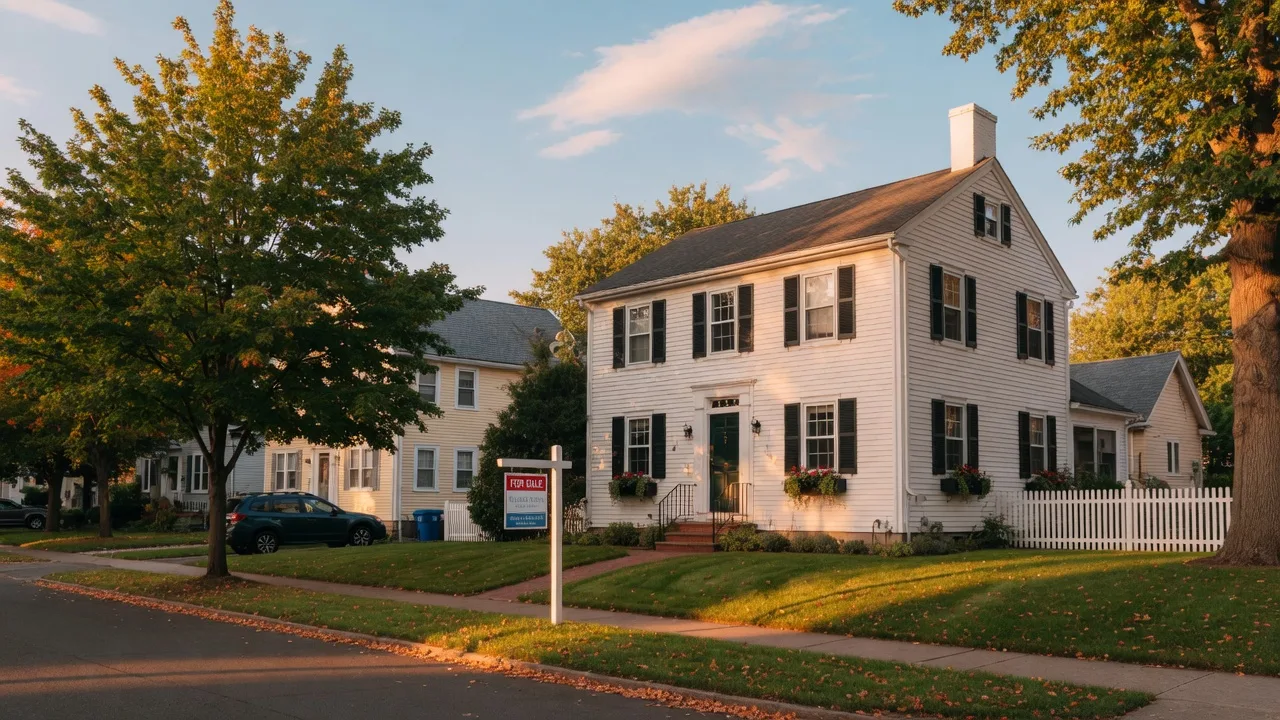
Where the New Haven market stands right now.
As of mid-2026, the greater New Haven area continues to show the kind of market conditions that benefit sellers who price their homes thoughtfully. Here are the key data points for families considering a probate sale:
$387K
New Haven median sale price
Up 1.9% year-over-year. The median price per square foot now sits at $237, up 23.4% from a year ago.
49 days
Average days on market
Homes are selling at a steady pace -- essentially unchanged from last year, with many well-priced homes under contract in 18 to 23 days.
2 months
Supply of inventory
Statewide inventory inched down 0.32% year-over-year. A balanced market is typically 5-6 months of supply, so this remains firmly seller-friendly.
What does this mean for you? In practical terms, a home that is clean, well-maintained, and priced realistically should attract serious interest within the first few weeks of listing. That is a meaningful advantage when you are also managing the timeline constraints of probate court.
Why these conditions matter for probate sellers.
Probate sales have their own unique rhythm. The court requires an appraisal, an executor must be formally appointed, and in many cases the court must confirm the final sale. These steps take time, and the last thing you want is a market that moves faster than the probate process allows.
The current market is particularly well-suited to probate sales for a few reasons:
- Low inventory means less competition. With only about two months of supply statewide, buyers have fewer choices. A well-presented probate property stands out in a way it might not in a busier market.
- Prices are trending upward. The 1.9% year-over-year increase in New Haven's median sale price may seem modest, but combined with the sharp rise in price per square foot, it signals that well-maintained homes are commanding strong offers.
- Buyers are prepared. Many buyers in this market are pre-approved and ready to move quickly. That can be a relief when the estate has ongoing carrying costs such as property taxes, insurance, and utilities.
- Days on market are predictable. At 49 days on average, you can plan around a realistic timeline. This helps when coordinating with probate court schedules and executor responsibilities.
Watch: Authority to Sell
Before you can list a probate property, someone must have the legal authority to sell it. This short video explains who holds that authority and how the court appoints the right person to act on behalf of the estate.
Pricing your probate home in this market.
One of the most common questions I hear from families is: "How do we know what price to ask?" The answer starts with understanding the difference between a probate appraisal and a market analysis.
The probate court requires a formal appraisal of the property's fair market value at the date of death. This appraisal is filed with the court as part of the estate inventory. It establishes a baseline value for the estate, but it may not reflect what a buyer will pay for the home in its current condition several months later.
A comparative market analysis (CMA) does something different. It looks at what similar homes in the neighborhood have sold for recently, what is currently on the market, and what is pending. For a probate sale, the CMA is the tool that helps you set a list price that will attract qualified buyers while still meeting the estate's financial goals.
Pricing strategy tips for probate sellers
- • Price for the market, not the appraisal. The probate appraisal is a court document, not a listing price. Your agent should prepare a fresh CMA at the time of listing.
- • Consider the home's condition honestly. A home that has not been updated in 20 years will not command the same price as a recently renovated one. That is okay -- buyers in this market are often willing to take on projects, but they will price them into their offer.
- • Factor in the court confirmation process. Some Connecticut probate courts require a confirmation hearing before a sale can be finalized. This can add a few weeks to the timeline, so your listing price should account for the possibility of a slightly longer marketing period.
- • Pricing too high is the biggest risk. In this low-inventory market, overpricing can be tempting. But homes that sit for 60 to 90 days often sell for less than homes that are priced right from day one.
What different New Haven neighborhoods are seeing right now.
The New Haven real estate market is not one-size-fits-all. Different parts of the city and surrounding towns are experiencing their own micro-trends. Here is a brief snapshot of a few areas where I commonly help families with probate sales:
East Rock
This historic neighborhood with its stately Victorian and Colonial Revival homes remains one of New Haven's most desirable areas. Homes here tend to attract buyers who value character and walkability, and they often command a premium over the citywide median.
Westville
With its tree-lined streets, independent shops along Whalley Avenue, and strong sense of community, Westville is popular with families and professionals. Homes here have seen steady demand, and well-priced properties often go under contract within the first few weeks.
Downtown & Wooster Square
Condos and smaller homes near downtown and Wooster Square appeal to young professionals and buyers looking for urban convenience. Inventory in this segment is especially tight, which can work in your favor if you are selling a well-located property.
Surrounding suburbs
Towns like Hamden, North Haven, Branford, and Guilford offer more space and excellent schools, drawing families from across the region. These markets have remained competitive, with many homes receiving multiple offers in the first month of listing.
Coordinating your sale with the probate timeline.
One of the biggest concerns families share is whether the probate process will move slowly enough that they miss the best market window. Here is the honest reality: probate does take time, but a good plan accounts for that from the start.
Here is a typical timeline for a probate sale in Connecticut:
- 1Executor appointment (2-4 weeks). The court appoints the executor or personal representative, who then has the legal authority to act on behalf of the estate.
- 2Inventory filing (2 months). A complete inventory of estate assets, including the probate appraisal of the home, must be filed with the court within two months of appointment.
- 3Listing the home (anytime after appointment). You can list the home as soon as the executor is appointed. You do not need to wait for the inventory to be filed, which gives you a head start.
- 4Market and accept offer (4-8 weeks). With the current average of 49 days on market, you can expect to receive offers within the first month if the home is priced well and presented effectively.
- 5Court confirmation (if required, 2-4 weeks). Some probate courts require a confirmation hearing to approve the sale. This is a safeguard that ensures the sale price is fair to all heirs.
- 6Close (4-6 weeks after accepted offer). The closing itself follows the typical real estate timeline, and proceeds are distributed according to the probate court's instructions.
Altogether, the timeline from appointment to closing typically spans 4 to 6 months. The good news is that the current market is stable enough that you can plan around this schedule with confidence.
Small improvements that make a big difference.
In a market with limited inventory, buyers are often willing to consider homes that need some updating. But there is a difference between a home that feels cared for and one that feels neglected. Here are a few low-cost improvements that consistently help probate homes sell faster and for a higher price:
- A deep clean throughout. This is the single highest-return investment you can make. A spotless home signals to buyers that the property has been cared for, even if the finishes are dated.
- Fresh paint in neutral tones. Warm whites, soft beiges, and light grays help buyers envision the home as their own. They also brighten rooms that may feel dark after furniture has been removed.
- Curb appeal matters more than you think. Mow the lawn, trim the shrubs, plant a few annuals by the front door, and make sure the entryway is welcoming. Buyers often decide within seconds of pulling up to the curb.
- Address deferred maintenance. Fix leaky faucets, replace burnt-out bulbs, repair loose railings, and patch minor holes in walls. These small fixes add up to a home that feels move-in ready.
If you are unsure what improvements make sense for your specific property, I am happy to walk through the home with you and offer honest, no-pressure guidance. Many of the families I work with find this walkthrough helpful because it turns a daunting list of unknowns into a manageable plan.
Why probate experience matters in this market.
Selling a home during probate is different from a traditional sale. The documents are different, the timelines are different, and the people involved -- often grieving family members spread across multiple states -- need a different kind of communication.
A real estate agent who understands both the probate process and the current market can make all the difference. They can help you:
- Coordinate with the executor and probate court to ensure all legal requirements are met before listing.
- Set a realistic list price based on current market data -- not an outdated appraisal or an emotional attachment to the home.
- Navigate court confirmation requirements and prepare the necessary documentation for a smooth approval.
- Communicate clearly and compassionately with all heirs, especially those who live out of state or who are not familiar with the Connecticut market.
- Market the home effectively to reach the right buyers in a competitive but discerning market.

Robert Clarke
Coldwell Banker Realty · 24 Washington Ave, North Haven, CT 06473
(203) 936-9004 ·
rob@robandvicCT.com
Your practical takeaways for this summer market.
Whether you are just beginning the probate process or you have an executor appointed and are ready to move forward, here is what I want you to remember:
- ✓The summer 2026 market is favorable for probate sellers. Low inventory and steady buyer demand create real opportunity.
- ✓Price based on today's market, not yesterday's appraisal. A comparative market analysis from an experienced agent will serve you better than the probate inventory value.
- ✓You can list as soon as the executor is appointed. You do not need to wait for the full inventory filing -- that early start gives you more flexibility.
- ✓Choose an agent experienced in both probate and local market conditions. The right guidance makes the process smoother and gives you confidence at every step.
- ✓You are not alone in this. Thousands of Connecticut families navigate probate real estate transactions every year. With the right plan and the right team, you can move through it with confidence and peace of mind.
If you have questions about your specific situation, I invite you to reach out. There is no obligation, no sales pitch -- just a conversation about your family's needs and how we can make the probate real estate process as smooth as possible.
Want to talk about your specific situation?
Whether you are just starting the probate process or ready to list a home, I am here to help with honest, compassionate guidance.