Out-of-state heirs and Connecticut probate.
When a loved one passes away in Connecticut and their children or heirs live in other states, the probate process can feel even more overwhelming. Coordinating across time zones, managing a property you cannot visit regularly, and navigating legal requirements from hundreds of miles away adds a layer of complexity that many families are not prepared for. This guide is written for those families. It covers the unique challenges out-of-state heirs face, the practical steps you can take to stay connected and informed, and how the right local support can make all the difference.
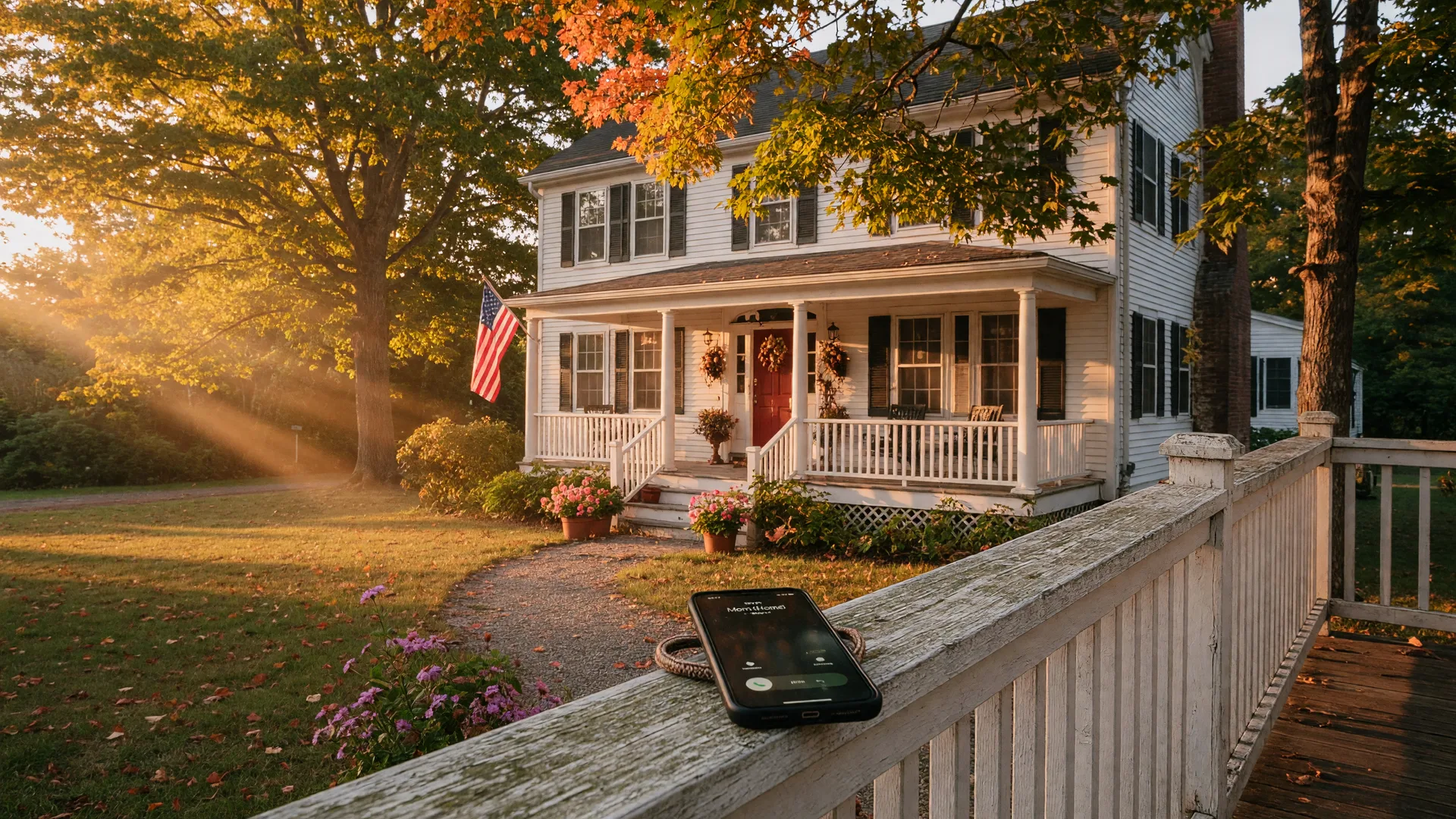
You are far from alone in this situation.
It is increasingly common for adult children to live in a different state than their parents. According to recent data, nearly one in three Americans lives in a different state than their parents. When a parent passes away in Connecticut, the heirs may be scattered across the country -- from Florida and California to Texas and New York. And each of them has a rightful interest in the estate.
I have worked with families where siblings are spread across five different states. Some can travel to Connecticut easily. Others have not visited in years. And each sibling brings a different perspective on what should happen to the family home.
If that sounds like your family, here is the most important thing to know: the Connecticut probate process is designed to work even when heirs live elsewhere. There are established procedures for remote participation, clear rules about notice and consent, and ways to keep everyone informed without requiring everyone to be in the same room at the same time.
The legal picture for heirs living out of state.
Connecticut probate law is clear: every heir, regardless of where they live, has a legal right to be notified of the probate proceedings and to participate in them. Here is what that means in practical terms:
Notice of the probate proceeding
The probate court is required to provide notice to all heirs and beneficiaries, including those who live out of state. This is typically done by mail. If an heir's address is known, the court sends the notice directly. If the address is unknown, the court may require publication in a local newspaper. As an heir, receiving this notice is your formal notification that the estate is being administered, and it gives you the opportunity to participate.
Consent to the sale of real estate
In many cases, all heirs must consent to the sale of a probate property before it can be listed and sold. If one out-of-state heir disagrees, it can delay or block the sale. That is why early communication is so important. It is also why working with a probate-savvy real estate agent who can facilitate those conversations across time zones makes a real difference.
Remote participation in hearings
Connecticut probate courts have become more accommodating of remote participation since the pandemic. Many courts now allow heirs to attend hearings by telephone or video conference. This means an out-of-state heir can participate in court proceedings without needing to travel to Connecticut. Check with the specific probate court district handling the estate to confirm their remote participation options.
Ancillary probate for non-resident decedents
There is an important distinction worth understanding. If your loved one lived in another state but owned real estate in Connecticut, a separate probate proceeding -- called ancillary probate -- must be opened in Connecticut. This is required because real estate is governed by the laws of the state where it sits. An ancillary proceeding handles only the Connecticut property, while the primary probate handles everything else in the decedent's home state. This means two probate cases, two sets of filings, and potentially two attorneys. If this applies to your family, it is important to work with an attorney who is licensed in Connecticut and familiar with ancillary probate procedures.
Liens, paperwork, and hidden hurdles to be aware of.
For out-of-state heirs, one of the most surprising challenges is discovering that Connecticut automatically places two liens on real estate when someone dies. These must be addressed before the property can be sold:
Estate tax lien
Connecticut imposes a lien on estate real property at the time of death to secure payment of any state estate taxes. While most estates fall below the $15 million exemption threshold and owe no tax, the lien attaches automatically. It must be formally released by the Connecticut Department of Revenue Services before the property can be conveyed to a buyer. This is a routine step, but it takes time and requires proper documentation.
Probate fee lien
The probate court also places a lien to secure payment of probate fees. Like the estate tax lien, this must be satisfied or released before the sale can close. The good news is that your executor or attorney will be familiar with these requirements and can handle them as part of the normal probate process. But it is important to know about them, because discovering them late in the sale process can cause unnecessary delays.
Beyond liens, there are other practical hurdles that out-of-state families commonly encounter:
- Title complications. If the title has gaps, errors, or old liens from before the owner's death, clearing it can be more complex and time-consuming. A title search early in the process can identify these issues before they become obstacles.
- Deferred maintenance. Many probate homes have not been updated in years. For out-of-state heirs, arranging repairs and maintenance from afar is challenging. Finding a trustworthy local contractor, coordinating inspections, and approving work without being able to see it in person adds stress to an already difficult process.
- Inheriting without a will (intestate succession). When a Connecticut resident dies without a will, the state's intestacy laws determine who inherits the property. If some heirs live out of state and there is no clear plan, the court process can take longer and require additional filings. Our guide on what happens when someone dies without a will in Connecticut covers this in detail.
Managing the property from hundreds of miles away.
If you are an out-of-state heir, one of the most immediate practical concerns is the property itself. Who will check on it? What happens if a pipe bursts? How do you keep the lawn from becoming overgrown? These questions may seem small compared to the legal aspects of probate, but they can become urgent problems if left unaddressed.
Here is a practical checklist for managing a Connecticut probate property from out of state:
Arrange vacant home insurance
Most standard homeowners insurance policies stop covering a home once it has been vacant for 30 days. The executor or a family member should contact the insurance company right away to discuss switching to a vacant dwelling policy. This is typically affordable and can be arranged over the phone or online, without anyone needing to visit the insurance office in person.
Find a local property caretaker or neighbor
A trusted neighbor, family friend, or local property manager can check on the home weekly, collect mail, mow the lawn, and alert you to any issues. This small investment in a caretaker arrangement can prevent small problems from becoming expensive emergencies.
Set up automatic payments for essential utilities
Keep the heat, electricity, and water on in the estate's name. A frozen pipe or a power outage that triggers a security system failure can cause thousands of dollars in damage. Automatic payments ensure nothing gets shut off while the estate is being administered.
Forward mail to a trusted person
An overflowing mailbox is a clear signal that a home is vacant. File a change-of-address request with the United States Postal Service to forward the decedent's mail to the executor or a designated family member. This also ensures that important court and financial documents are not missed.
Designate a local point of contact
Consider designating one local person -- whether it is the executor, a family friend, or your real estate agent -- as the main point of contact for property-related decisions. Having one person who can respond quickly to issues on the ground saves time and reduces the number of phone calls and texts crisscrossing time zones.
Watch: Pricing Strategy
One of the most important decisions in a probate sale is pricing the home correctly. This short video explains how to approach pricing when you cannot see the market in person and why a local expert's perspective matters.
How to stay connected and informed from a distance.
One of the biggest challenges for out-of-state heirs is the feeling of being left out of the loop. When you cannot drop by the house or sit down face to face with the executor, it is easy to feel disconnected from decisions that affect your inheritance.
Here are some practical ways to stay informed and involved, no matter where you live:
Establish a regular communication cadence
Whether it is a weekly email update, a group text thread, or a monthly video call, agree as a family on how and when you will communicate. Having a predictable rhythm reduces anxiety and ensures no one is left wondering what is happening.
Use shared digital tools
A shared folder with key documents (the will, the probate inventory, the appraisal, and any offers on the home) allows every heir to access the same information at the same time. This transparency goes a long way toward building trust and preventing misunderstandings.
Ask for regular property updates
If you cannot visit the home in person, ask the local point of contact to send photos or a short video walkthrough every few weeks. Seeing the property -- the lawn maintained, the paint fresh, the roof intact -- provides reassurance that the home is being cared for.
Work with a real estate agent who communicates well
A good probate agent understands that their clients may not be local. They should be comfortable with video calls, clear written updates, and explaining the Connecticut market in terms that make sense to someone who has never bought or sold a home here. If an agent seems impatient or dismissive of remote heirs, that is a red flag.
How a probate-savvy agent helps out-of-state families.
Selling a probate home is complex enough when everyone lives nearby. When heirs are spread across the country, having a real estate agent who understands both the probate process and the challenges of long-distance coordination is invaluable. The right agent serves as a bridge between the family and the local process.
Here is how I approach working with out-of-state families at Coldwell Banker Realty:
Virtual consultations and walkthroughs
I offer video walkthroughs of the property so every heir can see the home's condition, regardless of where they live. I also provide live virtual consultations where we walk through the market data and the probate timeline together.
Clear, written updates at every stage
From the initial market analysis to the court confirmation hearing to the closing date, I provide written updates that can be shared with every heir. This keeps everyone on the same page and reduces the number of individual calls and questions.
Local coordination with attorneys and the court
I work closely with the estate attorney and the probate court to ensure all documentation is in order. For families managing an estate from out of state, having one local professional who can handle these details is a relief.
Coordinating repairs and contractors
I can help coordinate with local contractors for any repairs or improvements needed before listing. I provide estimates, oversee the work, and keep you informed without requiring you to be on site.
If you are an heir living in another state and wondering how to stay involved in the sale of a Connecticut probate home, I would be glad to walk you through the process over a phone call or video meeting. There is no obligation, just a conversation about your family's situation and how we can make the process as smooth as possible for everyone.
A local partner who understands your family's situation.
My background as a systems engineer taught me to break down complex processes into clear, manageable steps. That is exactly what I bring to every probate real estate transaction. I understand the Connecticut probate court system, I know the New Haven area market inside and out, and I have helped families scattered across multiple states navigate the practical and emotional challenges of selling a loved one's home.
Whether you are just beginning the probate process or you are already coordinating from across the country, I am here to handle the real estate side so you can focus on your family. That includes providing virtual consultations, coordinating with the attorney and probate court, and keeping every heir informed at every step.
Robert Clarke
Coldwell Banker Realty · 24 Washington Ave, North Haven, CT 06473
(203) 936-9004 ·
rob@robandvicCT.com
Key takeaways for out-of-state heirs and their families.
If your family is spread across multiple states and a Connecticut probate home needs to be sold, here is what I want you to remember:
- ✓You have a legal right to participate. Connecticut probate law requires that all heirs be notified, regardless of where they live. You can attend hearings remotely and weigh in on major decisions.
- ✓Ancillary probate may be needed. If your loved one lived in another state but owned real estate in Connecticut, a separate Connecticut probate proceeding is required for the property.
- ✓Start managing the property immediately. Arrange vacant home insurance, set up utility payments, and designate a local caretaker before small issues become expensive problems.
- ✓Establish clear communication from the start. Agree on how and when you will share updates, use shared digital tools for key documents, and ask for regular property photos or videos.
- ✓Work with a local agent who specializes in probate. The right agent can be your eyes and ears on the ground, coordinate with the court and attorneys, and keep every heir informed no matter where they live.
I have helped families in exactly this situation. If you are managing a Connecticut probate from out of state, I would be honored to help. There is no pressure and no obligation -- just a conversation about your family's needs and how to move forward with confidence.
Managing a probate from out of state? Let us talk through it together.
Whether you are an executor in Connecticut trying to coordinate with siblings in other states, or an out-of-state heir wondering how to stay involved, I am here to help with honest, compassionate guidance.