Reverse mortgages and probate: what heirs need to know about a loved one's home.
If a loved one passed away with a reverse mortgage, you may be worried that the home is at risk or that the family will inherit a debt. The reassuring news is that a reverse mortgage is a non-recourse loan: no one personally owes more than the home is worth. Heirs have three clear options, the home still passes through Connecticut probate, and a thoughtful plan protects the estate's value. Here is a clear, compassionate look at what happens next.
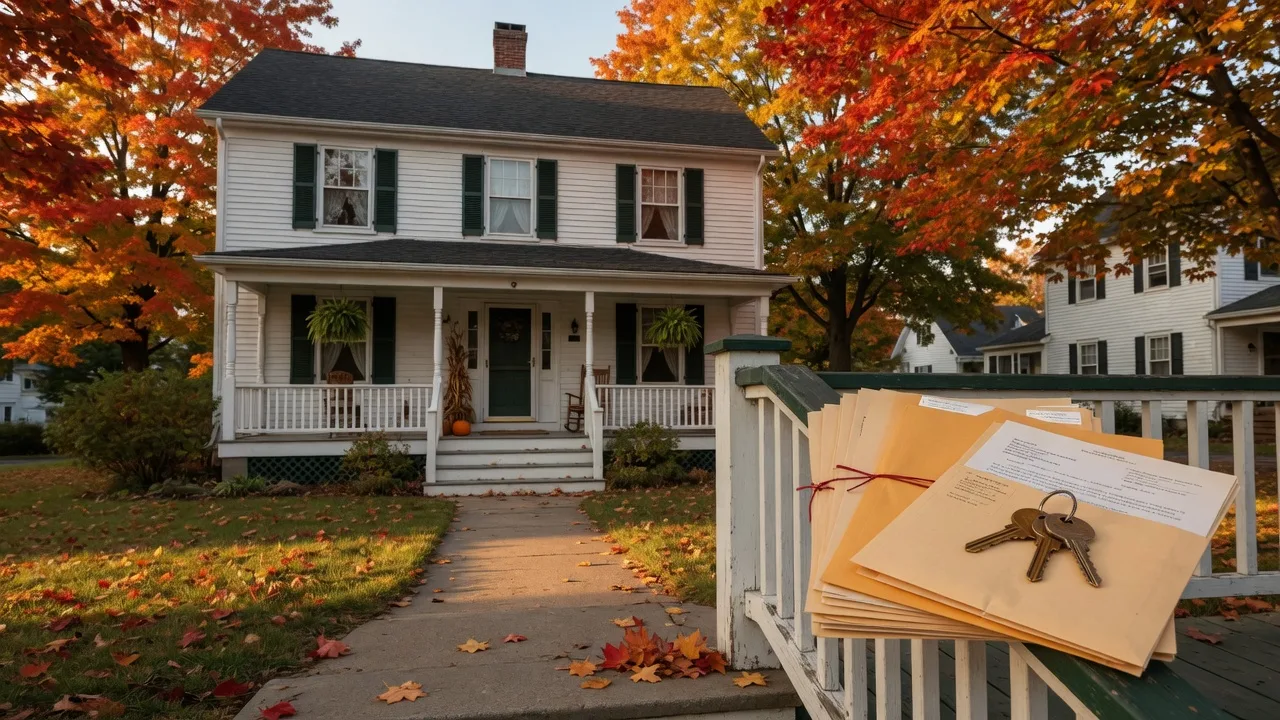
What a reverse mortgage is and why it matters for probate.
A reverse mortgage, most commonly the federal Home Equity Conversion Mortgage, or HECM, lets homeowners age 62 and older turn part of their home equity into cash or a stream of income while they continue to live in the home. No monthly mortgage payment is required as long as the borrower stays there, keeps up with property taxes and insurance, and maintains the home. The loan is repaid from the home's value, typically when the home is sold or the borrower no longer lives there.
For many Connecticut homeowners, a reverse mortgage made it possible to stay comfortably in the family home through retirement. That is exactly why it can come as a surprise after a loss: the loan is still there, and it must be settled as part of the estate. Understanding a few key facts up front makes the rest of the process feel far less intimidating.
$0
Monthly payment while the borrower lives there
A HECM reverse mortgage requires no monthly mortgage payment while the borrower remains in the home as their primary residence.
Non-recourse
Heirs never owe more than the home is worth
If the home sells for less than the loan balance, neither the estate nor the heirs are personally liable for the shortfall.
95%
Appraised value to keep or buy the home
Heirs can keep the home by paying the lesser of the loan balance or 95 percent of its appraised value.
What happens when the last borrower passes away.
When the last borrower dies, and there is no surviving co-borrower or eligible non-borrowing spouse living in the home, the reverse mortgage becomes due and payable in full. The lender's servicer will send the estate or heirs a notice of due and payable status, usually within 30 days of the borrower's death. That notice lays out the options available and the deadlines for responding.
Two things are worth saying plainly because they bring real peace of mind. First, this is a loan secured by the home, not a personal debt that heirs inherit. Because the loan is non-recourse, repayment comes from the home's equity, and no family member is personally on the hook if the home is worth less than the balance. Second, you are not being rushed out the door. Heirs typically have about 30 days to state their intent, and generally up to 6 months to complete a sale or repayment, with extensions commonly stretching the window to roughly a year when good-faith progress is being made.
One important exception: an eligible non-borrowing spouse who lived in the home can generally stay in it, with repayment deferred, rather than the loan coming due at the borrower's death. If that applies to your family, it is worth confirming the details with the servicer and an attorney early.
The three options for heirs, explained gently.
Once the loan is due, heirs generally have three paths forward. There is no wrong choice, only the one that fits your family's circumstances, the home's value, and your wishes:
- 1Sell the home and pay off the loan from the proceeds. This is the most common path for probate families. The estate sells the home, the reverse mortgage lien is paid at closing, and any remaining equity belongs to the estate and the heirs.
- 2Keep the home by paying the lesser of the loan balance or 95 percent of its appraised value. If a family member wants to stay in the home, they can satisfy the loan, usually through a refinance or other funds, and take ownership through the estate.
- 3Deliver the home to the lender with a deed in lieu of foreclosure. If no one wants the home and it is worth less than the loan, heirs can hand the deed back to the lender, walk away free of any personal obligation, and close the chapter.
The 95 percent figure is worth understanding, because it is the most common source of confusion. It is not a penalty. Paying off a loan with a refinance involves closing costs, so HUD treats the lower figure as a fair settlement. If the loan balance is higher than 95 percent of the appraised value, paying that amount fully satisfies the debt, and the federal insurance behind the program covers the shortfall.
Watch: Who Can Sell a Probate Property?
Before a reverse-mortgaged home can be sold or transferred, the probate court must appoint a fiduciary with the authority to act. In this short video, Robert Clarke explains who actually has the legal authority to sell a probate property and why that step comes first, whether the home sits in New Haven, Hamden, Branford, or anywhere across Connecticut.
How Connecticut probate fits into the picture.
A reverse mortgage does not change the fact that the home must go through Connecticut probate. If the home was titled in the deceased person's name alone, the probate court must appoint a fiduciary, either an executor named in the will or an administrator appointed by the court, before anyone can act on the estate's behalf. No one may sign a contract to sell the deceased person's real estate before that appointment is in place.
Once the fiduciary is appointed, they need the authority to sell the home. That authority comes from a power of sale in the will or from a probate court order under Connecticut law. In many cases the sale must also be confirmed by the court, and the reverse mortgage lien, like any other mortgage, must be paid and released at closing so the buyer receives clean title. Our guides to clearing title on a loved one's home and the court confirmation hearing walk through those steps in detail.
For a deeper look at how mortgages and other secured debts are handled during an estate, our guide to what happens to a mortgage during probate explains the protections and executor duties that apply. A reverse mortgage sits on top of these same rules, with the added federal requirements of the HECM program.
Practical steps to move forward with confidence.
If you are caring for a loved one's estate and a reverse mortgage is involved, here are a few gentle, practical steps that keep things moving smoothly:
- 1Notify the servicer early and get the terms in writing. Let the reverse mortgage servicer know the borrower has passed, and ask for the due and payable notice and the exact payoff figure in writing.
- 2Open the estate promptly. A petition is typically filed within 30 days of death so the probate court can appoint a fiduciary. Nothing can happen to the home legally until that appointment is in place.
- 3Confirm the home's current value. An honest, current appraisal tells you whether the home holds meaningful equity and informs the sell, keep, or surrender decision. See our guide to probate appraisals for how this works.
- 4Decide as a family. Weigh selling, keeping, or surrendering the home together. There is no wrong answer, only the one that fits your family's situation and wishes.
- 5If selling, coordinate the court and the payoff. List the home only with proper court authority, price it against the current market, and make sure the reverse mortgage is paid from the sale proceeds so title can transfer cleanly at closing.
- 6Keep the home protected. While the estate is settled, keep insurance in force, maintain the heat if the home is vacant, and check on the property regularly. See our guide to protecting a probate property for a full checklist.
Why probate experience matters when a reverse mortgage is involved.
A reverse mortgage adds a financial layer to what is already an emotional time. The loan must be paid from the home's value, the probate court must authorize the sale, and the lien must be released at closing. An agent who understands both the probate process and the current local market can help your family:
- Coordinate with the executor and probate court so the fiduciary is appointed and the authority to sell is in place before anything is listed.
- Confirm the payoff figure with the servicer so there are no surprises at closing.
- Price the home from fresh market data so the sale covers the loan and leaves the estate with the strongest possible result.
- Navigate court confirmation requirements and prepare the paperwork for a smooth approval.
- Communicate clearly and compassionately with every heir, including family members who live out of state.
- Help the family weigh selling versus keeping the home, with honest, pressure-free guidance.
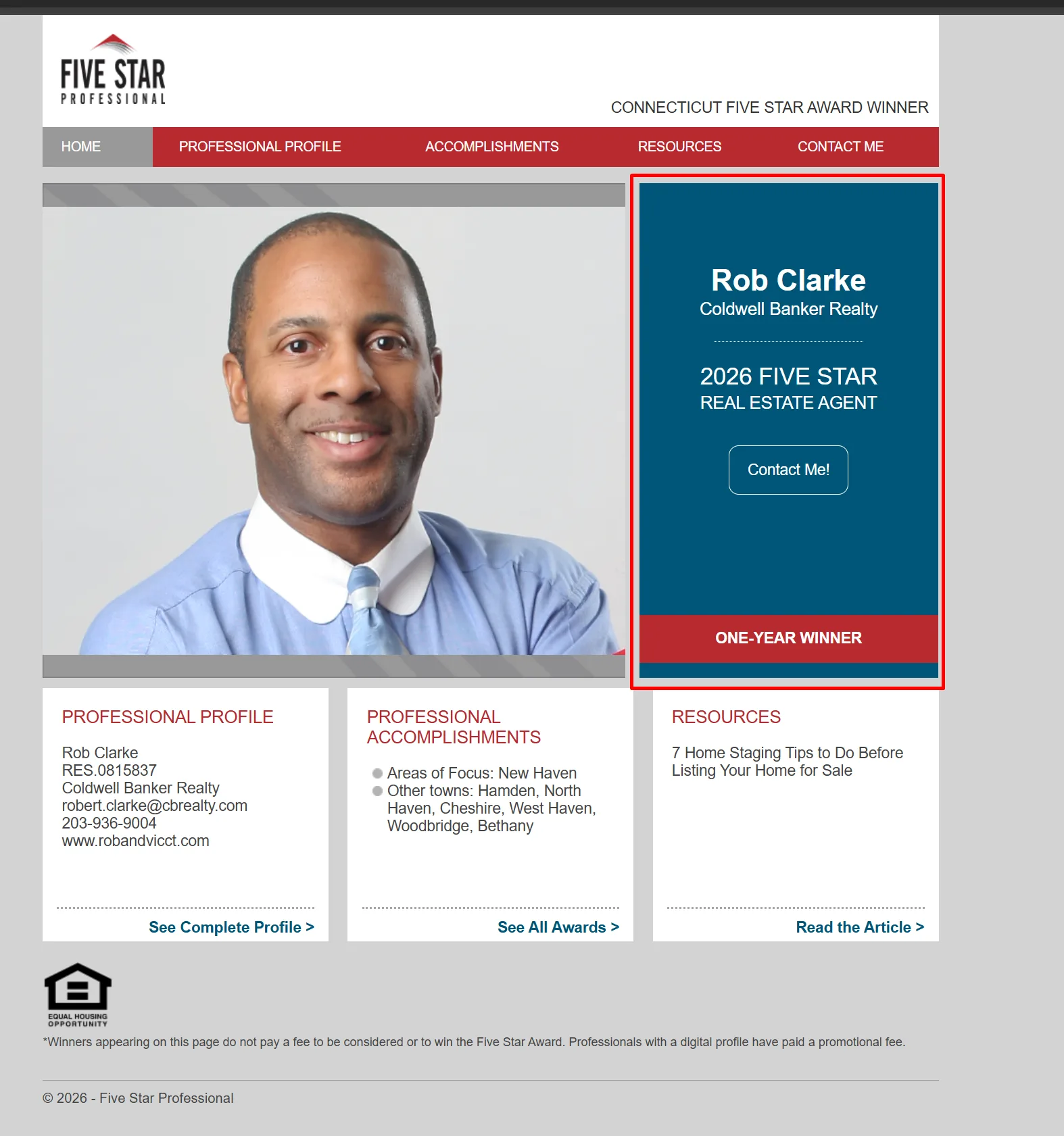
Robert Clarke
Coldwell Banker Realty · 24 Washington Ave, North Haven, CT 06473
(203) 936-9004 ·
rob@robandvicCT.com
I serve families in New Haven, Hamden, North Haven, Branford, Milford, and surrounding Connecticut communities. If you are caring for a loved one's home with a reverse mortgage and wondering what it means for your family, I would be honored to help you understand your options with patience and care.
Your practical takeaways for the road ahead.
Whether you are just learning about the reverse mortgage or an executor has already been appointed, here is what I want you to remember:
- ✓The loan comes due when the last borrower dies, but it is non-recourse. No heir personally owes more than the home is worth, and no one inherits the debt as a personal obligation.
- ✓Heirs have three clear options. Sell the home and keep the remaining equity, keep it by paying the lesser of the loan balance or 95 percent of its appraised value, or deliver a deed in lieu of foreclosure.
- ✓There is time, not pressure. Heirs typically have about 30 days to respond and generally up to 6 months to complete a sale or repayment, with extensions commonly reaching roughly a year.
- ✓Probate still applies. A fiduciary must be appointed by the Connecticut probate court, the authority to sell must be in place, and the reverse mortgage lien must be released at closing.
- ✓You are not alone in this. Reverse mortgages are common among Connecticut homeowners, and families navigate these situations every year. With a clear plan and the right team, you can move through this chapter with confidence and peace of mind.
If you have questions about your family's specific situation, I invite you to reach out. There is no obligation and no sales pitch, just a conversation about your needs and how we can make the probate real estate process as smooth as possible.
Want to talk about your specific situation?
Whether you are just starting the probate process or ready to make a decision about a loved one's home, I am here to help with honest, compassionate guidance.