Selling a family home as-is during probate.
One of the first questions families ask me when they need to sell a loved one's home through probate is whether they need to fix things up first. The short answer is reassuring: in Connecticut, selling a probate home as-is is not only allowed, it is often the most practical and financially sound approach. This guide explains how as-is sales work in probate, what the law requires, and how to decide what is right for your family.
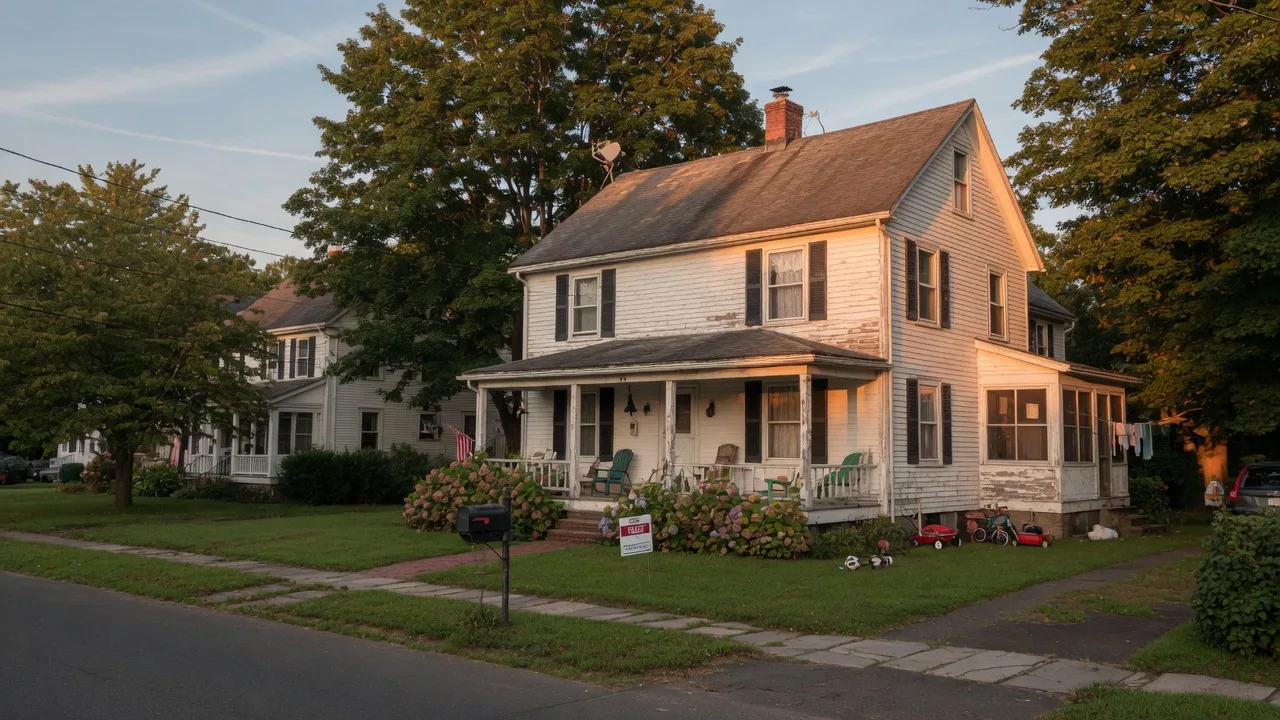
What as-is really means for a probate sale.
In everyday real estate, selling a home as-is typically means the seller will not make any repairs or improvements before closing. The buyer accepts the property in its current condition, including any defects that may be uncovered during an inspection.
For probate sales in Connecticut, however, as-is has a slightly different meaning. The executor or administrator of the estate has a fiduciary duty to the beneficiaries. This means they must act in the estate's best interest, which includes making an informed decision about whether repairs or improvements would generate enough additional value to justify the cost, time, and effort.
The good news is that in most probate situations, the numbers point toward selling as-is. Here is why: the estate pays for every repair out of pocket, reducing the inheritance for all beneficiaries. Meanwhile, buyers in the current New Haven market are accustomed to seeing probate properties in original or dated condition, and they often factor that into their offers. The question is not whether the home needs work, but whether the work would return more than it costs.
For a complete overview of how the probate process works from start to finish, see our comprehensive probate guide. And for a deeper look at getting the home ready, read our article on preparing a family home for sale during probate.
Connecticut's disclosure rules and the probate exemption.
This is one of the most misunderstood aspects of probate real estate — and one of the most important to get right. Under Connecticut law (Connecticut General Statutes Section 20-327b), most home sellers are required to complete a Residential Property Condition Disclosure Report, a multi-page form that discloses known defects in the property's systems and structure.
However, there is a specific exemption that applies to probate sales. Sales made by executors, administrators, trustees, or conservators are exempt from this requirement. Court-ordered transfers, including probate confirmation sales, are also exempt. This means you are not required to deliver the standard disclosure form to the buyer.
An important note on honesty
The disclosure form exemption does not relieve the estate of the common-law duty to disclose known material defects. In plain terms: if the executor knows about a serious problem with the property — a leaking roof, a failing foundation, or a known contamination issue — they still have a legal and ethical obligation to tell potential buyers. Honesty protects everyone and avoids legal complications down the road.
If you are unsure what needs to be disclosed, it is always wise to consult with a Connecticut probate attorney before listing. I work closely with several excellent probate attorneys in the New Haven area and can help you find the right guidance for your specific situation.
The executor's role in the as-is decision.
The executor (or personal representative) has the legal authority to decide whether to sell the home as-is or invest in repairs. This decision does not typically require the consent of all beneficiaries, though it is always good practice to keep them informed. The key responsibility is fiduciary: the executor must weigh the costs and benefits and choose the path that best serves the estate.
When as-is makes sense
- • The home needs significant updates (kitchen, bathrooms, roofing) that would cost more than the expected return.
- • The estate has limited cash for upfront repair costs.
- • Beneficiaries live out of state and cannot easily oversee renovation work.
- • The family wants a quicker sale to close the estate and move forward.
- • The local market is strong enough that buyers will pay fair value for a home in original condition.
When light repairs might help
- • The home is basically sound but needs cosmetic freshening (paint, carpet, landscaping).
- • Minor repairs would cost $1,000-$3,000 and clearly increase the sale price by more than that amount.
- • The estate has cash on hand to cover the work without borrowing from beneficiaries.
- • There are local family members who can supervise contractors.
- • The home is in a neighborhood where updated homes sell at a notable premium over dated ones.
How the current market affects as-is probate sales.
As we move through late summer 2026, the New Haven area market continues to show conditions that favor as-is sales. Here is what the data tells us:
$474K
New Haven County avg. sale price
Up 8.9% year-over-year in the first half of 2026. Strong price growth is carrying into late summer.
5+%
Inventory growth in 2026
Listings in New Haven County rose 3.4% in the first half. Buyers have more choices than last year, but supply remains constrained.
6.14%
Avg. 30-year mortgage rate
Buyers are price-sensitive. A well-priced as-is home can attract strong demand from buyers willing to take on a project.
What these numbers mean for an as-is probate sale: the market is strong enough that buyers will pay fair value for a home in original condition, especially in desirable New Haven neighborhoods like East Rock, Westville, and Wooster Square, as well as surrounding suburbs such as Hamden, North Haven, and Branford.
The late summer and early fall market typically sees slightly less competition than the spring, but inventory is still below a balanced market. For probate sellers, this creates a sweet spot: you can price the home honestly for its condition and still attract serious, pre-approved buyers who are looking for value. Many of these buyers are first-time homeowners or investors who specifically search for properties that need work.
For a deeper dive on market timing and pricing strategy, read our summer 2026 New Haven market guide for probate sellers.
Making the cost-benefit decision.
Every estate is different, and the right decision depends on the specific home, its condition, and the family's priorities. Here is a practical framework I use with the families I work with in New Haven:
Get a professional opinion on condition
Before deciding, have the property inspected. A licensed home inspector can give you a clear picture of the home's condition, including major systems (roof, HVAC, plumbing, electrical) and structural elements. This is different from the probate appraisal required by the court. A pre-listing inspection typically costs $400-$600 in Connecticut, and it is money well spent because it lets you make an informed decision and disclose known issues to buyers.
Get a comparative market analysis on both scenarios
Ask your real estate agent to prepare two projections: what the home would likely sell for as-is, and what it would likely sell for after specific, targeted improvements. The difference — minus the cost of those improvements — is what the estate would actually gain. Often the net difference is surprisingly small, which makes the as-is route the clear winner.
Consider the estate's cash position
If the estate does not have readily available cash to fund repairs, selling as-is eliminates the need to find that money. The estate is already responsible for ongoing carrying costs — property taxes, utilities, insurance, and maintenance — so adding a renovation budget on top can create financial strain. Selling as-is keeps the process simpler and more predictable.
Factor in the emotional and logistical costs
Managing contractors, making decisions about finishes, and coordinating timelines takes time and emotional energy — at a moment when families are already stretched thin. If the beneficiaries are spread across different states or have conflicting opinions about what improvements to make, the as-is route often prevents disagreements and delays.
A quick look at what as-is means for probate sellers.
This short video covers the basics of selling a probate home as-is in Connecticut, including when it makes sense and what families should know before listing.
Watch: As-Is Probate Sales
A two-minute overview of what as-is really means in the context of a Connecticut probate sale, when it makes sense, and how to approach pricing a home that needs work. This is a great starting point if you are just beginning to think about listing a family home through the estate.
Practical tips for pricing an as-is probate home.
Pricing an as-is probate home is different from pricing a move-in ready home. Here are the key considerations:
- Price for today's market, not the probate appraisal. The probate appraisal establishes the date-of-death value for the court. It is not a listing price. A comparative market analysis based on recent sales of similar as-is properties in the area will give you a more accurate pricing range.
- Be transparent about condition in the listing. Buyers searching for probate properties expect them to be sold as-is. A listing that honestly describes the home's condition will attract the right buyers and reduce the number of tire-kickers or lowball offers.
- Consider the court confirmation process in your timeline. Some Connecticut probate courts require a confirmation hearing before approving the sale. This process is designed to ensure the price is fair to all beneficiaries. An experienced probate real estate agent can help you price the home in a way that satisfies both the court and the market.
- Do not overcorrect for condition. A common mistake is pricing an as-is home too low, assuming no one will pay fair value for a dated property. In the current New Haven market, buyers are actively seeking homes they can renovate. Pricing at or slightly below fair market value for the home's condition often generates competitive offers.
- Get professional photography even for an as-is home. Good photography matters, especially for probate properties. Honest, well-lit images that show the home as it truly is help buyers self-qualify before they ever schedule a showing. This saves time and leads to more serious offers.

How I help families navigate as-is probate sales.
My background as a systems engineer trained me to evaluate complex decisions with clarity and objectivity. When I help a family decide whether to sell a probate home as-is, I bring that same analytical thinking to the table — combined with genuine empathy for what the family is going through.
I offer a no-obligation consultation where we walk through the home together, discuss its condition, review current market data for your specific neighborhood, and build a clear picture of your options. Whether you decide to sell as-is or invest in light preparation, my goal is to make sure you have all the information you need to make the best decision for your family.
I serve families throughout New Haven and all of Connecticut, including Hartford, Bridgeport, Stamford, Waterbury, Norwalk, Danbury, Fairfield, New London, and surrounding areas.
What to remember about selling a probate home as-is.
Selling a loved one's home during probate is never easy, but understanding your options can make the process feel far more manageable. Here is what I hope you take away from this guide:
- ✓Selling as-is is standard for probate. It is not a last resort — it is often the smartest financial and emotional choice for families.
- ✓Probate sales are exempt from the standard disclosure form. But you still need to disclose known material defects honestly.
- ✓The late summer 2026 market is favorable. Low inventory and steady buyer demand mean as-is homes priced fairly attract serious offers.
- ✓A pre-listing inspection is a smart investment. Knowing the home's true condition allows you to price accurately and disclose honestly.
- ✓You do not have to figure this out alone. An experienced probate real estate agent can help you evaluate your options and guide you through every step with compassion and clarity.
If you are managing a probate estate in Connecticut and have questions about selling the home, I invite you to reach out. There is no obligation — just an honest conversation about your family's situation and how we can make the process smoother.
Have questions about selling a probate home as-is?
Whether you are just beginning the probate process or are ready to list the home, I am here to help with honest, compassionate guidance and no pressure.