Preparing a loved one's home for a Connecticut winter.
If your family is navigating the probate process and a loved one's home is sitting vacant, the approach of a Connecticut winter brings real risks: frozen pipes, roof damage, and insurance gaps that can quietly threaten the estate's value. This guide walks you through what needs to be done before the cold arrives, what the law expects of the executor, and how to protect the home with confidence, so you can carry one fewer worry while you grieve.
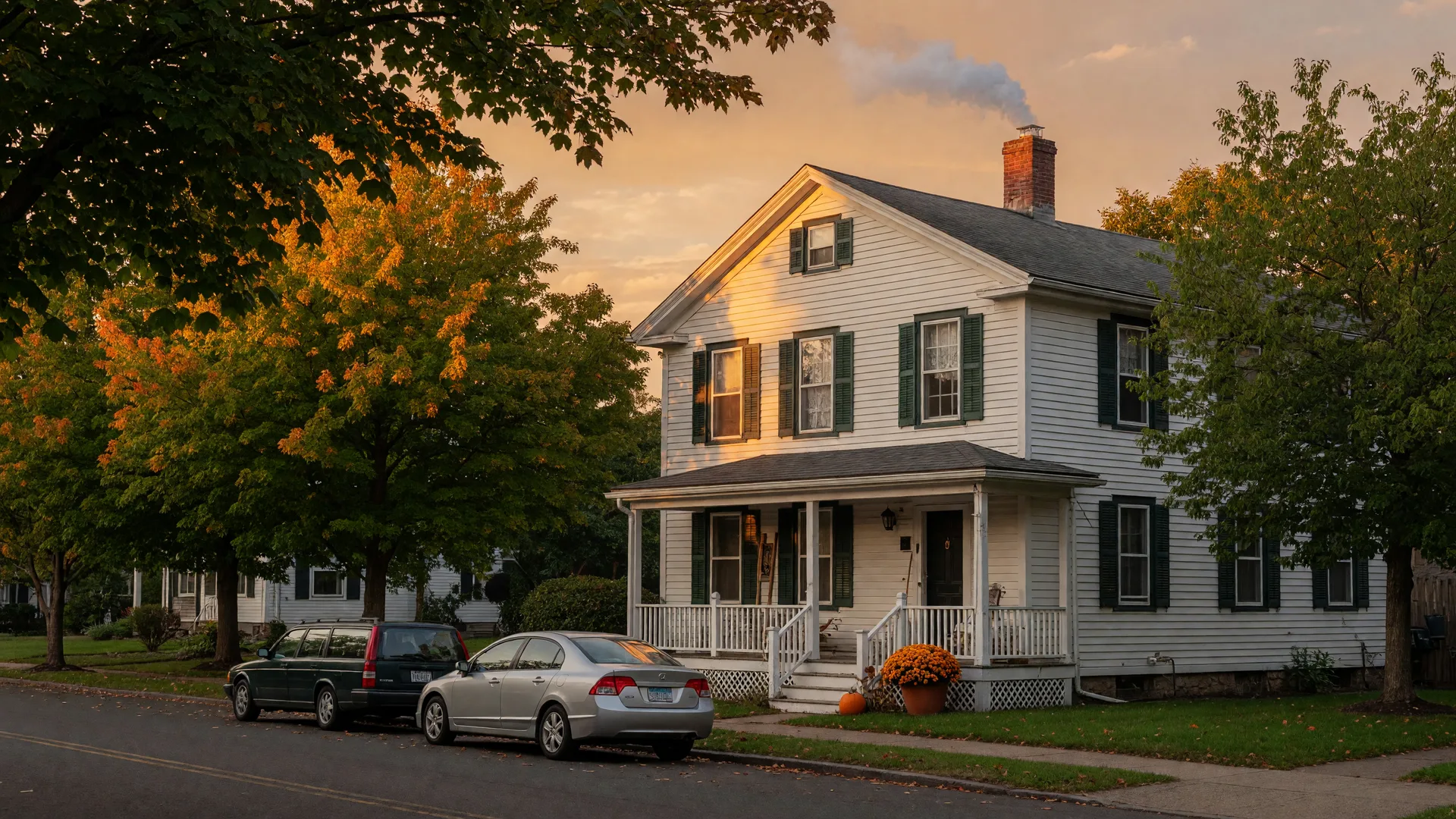
Why winter protection matters now, not later.
Connecticut winters are beautiful, and they are also unrelenting on a house with no one living in it. A home that was carefully maintained for decades can sustain thousands of dollars in damage in a single cold snap if the heat fails, a pipe freezes, or snow builds up on a roof that is no longer being checked. For an estate, that damage is real money, and it comes out of the inheritance the family is meant to receive.
The good news: most winter damage is preventable. The standard, widely recommended guideline for a vacant home in winter is to keep the heat at a minimum of 55 degrees Fahrenheit, which protects the plumbing and keeps the home dry. Above that, winterizing is mostly a checklist: service the heating system, clean the gutters, manage the water, and make sure someone is looking after the property. September and early October are the ideal window to do this, before the first hard frost.
There is an emotional layer too. Your loved one cared for this home for years, often decades. Preparing it for the season is a final act of stewardship, and it protects the family's future at the same time.
The law asks the executor to protect the home.
In Connecticut, the person appointed to manage the estate, whether they are called an executor or an administrator, carries a fiduciary duty to preserve the estate's assets, including real estate. That is not just a lawyers' term. It means the law expects the home to be kept safe from loss and damage: secured, insured, with taxes, mortgage, and utilities kept current while the estate is open.
And importantly, the estate can pay for it. Under the Connecticut Fiduciary Powers Act, Connecticut General Statutes section 45a-234, the estate may spend funds on repairs and other expenses involved in the care, maintenance, and protection of estate property, including winterization. Heat, electricity, water, insurance premiums, and reasonable upkeep are proper estate expenses. That means the executor and family members should never skip winterizing out of worry about paying for it out of pocket. The estate covers these costs, and the executor can be reimbursed from estate funds.
Two practical notes for the executor:
- Keep receipts and records. The probate court reviews the estate's accounting, and it will expect the expenses to be reasonable and documented. A simple folder of receipts for heat, repairs, and winterization makes the accounting easy and protects everyone.
- Ask when in doubt. If a repair is large or unusual, the executor can seek court approval before spending. For routine winter protection, the authority to act is already there.
For a fuller picture of what an executor does from start to finish, see our guide to the executor's role in Connecticut probate.
Your practical winter checklist.
You do not need to be handy or do the work yourself. What matters is knowing what to ask for and having someone trustworthy do it. Here is the checklist that keeps a vacant Connecticut home safe through the cold months:
Heat the home, even when it is empty
Have the furnace or boiler serviced, replace the filter, and set the thermostat to at least 55 degrees Fahrenheit. Many insurers expect a documented minimum of 55 degrees as part of winter coverage. If the plumbing runs through uninsulated walls or crawlspaces, open the cabinet doors and insulate exposed pipes so warmth reaches them. Keep the heat and electric accounts in the estate's name: shutting them off is the fastest way to a frozen, damaged home and a much larger bill.
Decide how to handle the water
There are two safe approaches. The first is to keep the heat at 55 degrees or above, which usually keeps pipes from freezing without draining anything. The second is full winterization: shut off the water main, drain every line, and add antifreeze to traps and toilets. Full winterization is the right choice when the home may sit empty all winter with the heat off. Ask a licensed plumber which approach fits your situation, and do not let the water decision slip: it is the single most common cause of winter damage in vacant homes.
Roof, gutters, and trees
Clean the gutters and downspouts so melting snow and ice have somewhere to go. Clear leaves from the roof valleys and check for loose or missing shingles before the snow flies. Trim branches that hang over the roof, because a heavy, wet snowfall can bring a limb down through the shingles. A roof inspection is inexpensive, and it turns small problems into a one-page report instead of a living room ceiling.
Snow and ice plan
Arrange a snow removal service before the first storm: plowed walks, a cleared driveway, and paths kept safe matter even when no one lives there. A neighbor or local company checking after each storm protects the property and prevents liability if someone is injured on an icy walk. Keep a written record of who is responsible and how to reach them in a storm.
Mail, utilities, and bills
Have the postal service forward your loved one's mail to the executor so nothing important is missed. Set utilities to bill the estate and consider automatic payments so the heat cannot be cut off by an overlooked bill. An overflowing mailbox tells the neighborhood the home is empty, so ask a neighbor to collect anything that still arrives.
Security and regular check-ins
Lock every door and window, and check the basement and attic entries. Put a few lights on timers so the home does not sit in permanent darkness, and consider a motion light at the back door. A weekly visit from a neighbor, family member, or property manager catches small problems, a leaking pipe or an open window, before they become large ones.
If this list feels like a lot, it is normal to feel that way, and you do not have to manage it alone. I work with vetted local contractors for heating, plumbing, roof, and cleanout work, and I am happy to share recommendations. See our trusted contractors page for the kinds of help available.
Watch: Common Probate Challenges
Protecting a vacant home through a Connecticut winter is one of the challenges families navigate during probate. In this short video, Robert walks through the common challenges families face and why having trusted guidance makes each one more manageable.
Keep the home insured through the winter.
Most standard Connecticut homeowners policies limit or exclude coverage once a home has been vacant for about 30 to 60 days. That matters enormously for probate estates, because the home is often empty well before it is sold. If a pipe bursts in an uninsured vacant house, the estate can lose coverage for exactly the damage that winter is most likely to cause.
The fix is straightforward: contact the existing insurer as soon as the home becomes vacant and ask about a vacant dwelling policy or an endorsement that keeps coverage in place during the estate process. These policies are usually affordable and easy to arrange. In winter, insurers commonly expect three things: documented heat at 55 degrees or above, water handled safely (either drained or kept warm), and the property secured. Keep a copy of your winterization receipts with the policy, because documentation is what protects coverage if you ever need to file a claim.
For the full picture on insurance, taxes, and utilities for a probate property, see our guide on protecting a loved one's home during probate.
What a well-cared-for home means in the fall 2026 market.
Winterizing is about protection first, but it also protects the home's market value. A house that makes it through the winter dry, warm, and intact appraises and sells differently than one that suffered a burst pipe or a collapsed gutter. As we head into fall 2026, the New Haven market remains active, and a cared-for home stands out:
~$381K
Median sale price
New Haven's 2026 median sale price is tracking around $381,000, up roughly 6% year over year in the latest reports.
~151
Homes for sale
About 151 New Haven homes were listed for sale as of September 2026, keeping inventory tight and demand steady.
102.7%
Of list price on average
Recent New Haven homes sold at about 102.7% of list price, with more than half selling above asking.
Days on market have hovered in the 37 to 49 day range depending on the reporting source, and statewide months of supply sat near two in the most recent reports: a seller's market that is slowly loosening. The takeaway for your family is simple: winter buyers are serious buyers, and a home that has been protected and maintained shows them a property with no hidden surprises.
For a deeper look at the local numbers, see our summer 2026 New Haven market guide and our guide to selling a probate home in the fall.
Winterize now, and the home stays saleable all year.
One question families ask me often: should we wait until spring to sell? The honest answer is that you do not have to choose. If the estate is not ready to list this fall, winterizing keeps the home protected so the family can list it in January or February at a price that reflects a home in good condition. And if you are ready sooner, a well-maintained home can go on the market right through the holidays.
Here is how the timing tends to work:
- 1September to October. Service the heating, clean the gutters, handle the water plan, and update the insurance. The estate's paperwork and inventory can move forward at the same time.
- 2November to December. If the family wants to sell now, list the home with the winter plan already in place. Holiday-season buyers are often relocating or under deadline, and they make decisions.
- 3January to March. If the family prefers to wait, the home is already protected. List in the new year with a clear record of maintenance, which is a strong selling point for buyers and appraisers alike.
Whichever path fits your family, the winter work done now gives you options later. That is the whole point: peace of mind in the middle of a hard season.
Caring for the home as a way of caring for them.
There is something quietly profound about winterizing a parent's or grandparent's home. The furnace they had serviced every fall, the gutters they cleaned before the first snow, the thermostat they kept at their favorite temperature: you are continuing those small rituals, and that is a way of honoring them.
It is also okay if this season feels heavy. Many families tell me that the practical tasks, as overwhelming as they seem, turn out to be a comfort, because they are concrete and doable when so much else feels uncertain. Let the work be that for you. Take photos of the home in the fall light while the leaves are turning. Keep one or two small things that mattered to your loved one. And remember that protecting the house is not about rushing the grief; it is about making sure the family's future is steady.
When you are ready to sort through the belongings inside, our guide on clearing a loved one's home offers a gentle, step-by-step way to approach it.
How I help families through a Connecticut winter.
My background as a systems engineer taught me to turn overwhelming processes into clear checklists, and that is exactly what I do for probate real estate. I know what a Connecticut winter can do to a vacant house, and I know the local professionals who keep homes safe: heating and plumbing contractors, roofers, snow services, and inspectors who treat estate work with care.
When you work with me, the fall checklist becomes a shared plan rather than a lonely burden. I coordinate with the executor and the estate attorney, recommend trusted contractors, provide a no-obligation market analysis, and make sure the home is protected at every step, whether it sells this winter or next spring.

Your practical takeaways for the winter ahead.
Whether you are the executor, an heir, or a family member helping out, here is what I want you to remember:
- ✓Act in September and early October. The work is small and affordable now; the damage from waiting is large and costly.
- ✓Keep the heat at 55 degrees or higher. A documented minimum keeps pipes safe and satisfies most insurers' winter conditions.
- ✓The estate pays for this work. Winterization is a proper estate expense under Connecticut law, and the executor keeps receipts for the court accounting.
- ✓Update the insurance before the 30 day mark. Ask about a vacant dwelling policy as soon as the home is empty, and document your winterization for any future claim.
- ✓You are not alone in this. The market is steady, the help is available, and caring for the home is one more way of honoring your loved one.
Ready to talk about your loved one's home this winter?
Whether you have an executor appointed and a home to protect, or you are just beginning to understand the probate process, I am here to help with honest, compassionate guidance and no pressure.